
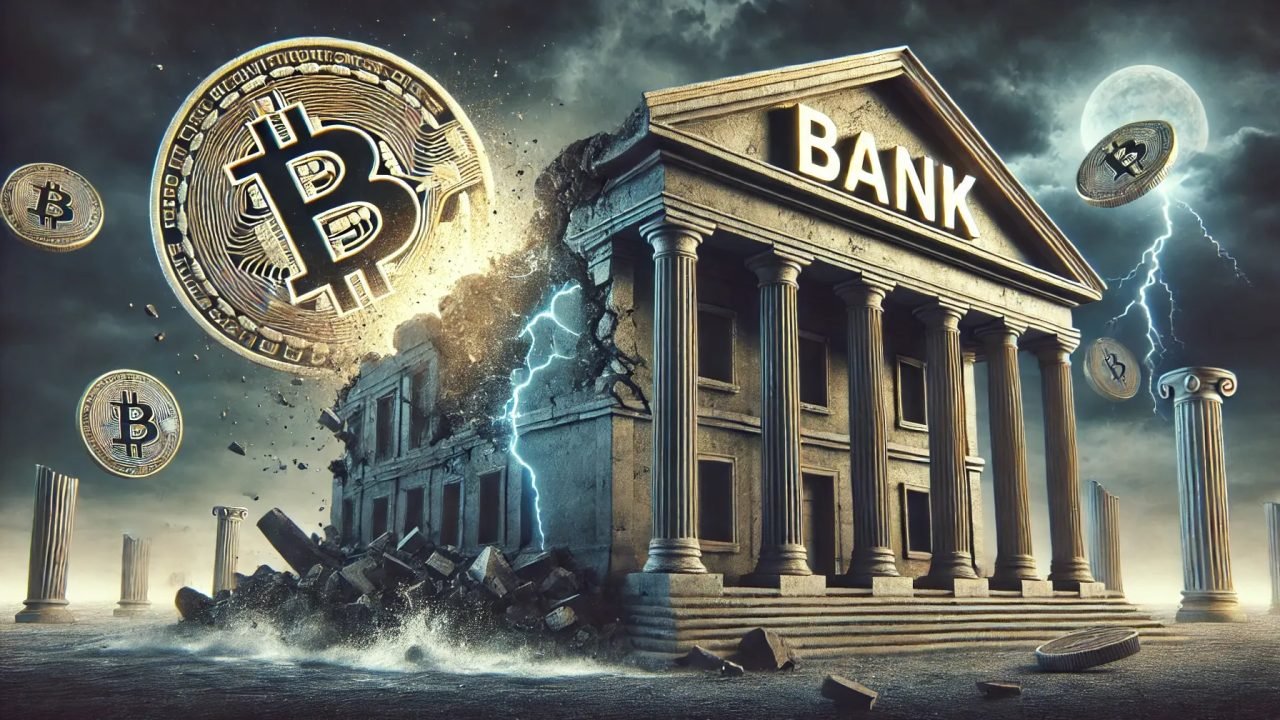
Traditional banking institutions continue to show signs of structural failure, yet policymakers and mainstream "economists" still insist that the system is sound. Recent developments suggest otherwise, with multiple banks either shutting down branches, facing financial instability, or being flagged for regulatory concerns. Here’s a closer look at three major banking failures in just the past two weeks. These are just a small part of all of the evidence that reinforces the case for Bitcoin and decentralized finance.
TD Bank’s Wave of Closures
TD Bank, one of the largest banking institutions in North America, recently announced plans to shut down 38 branches across 10 states by June 5, 2025 (The Sun). While the bank attributes these closures to shifting customer preferences toward digital banking, the reality is more troubling. Banks have become increasingly inefficient, weighed down by bureaucratic overhead and outdated infrastructure. The rapid transition to online banking is not a sign of innovation but rather an act of desperation to cut costs while squeezing out more revenue from transaction fees and reduced customer service.
Regional Banks Are Crumbling Under Bad Debt
A growing number of regional banks are struggling with financial distress, largely due to exposure to bad commercial real estate loans. Flagstar Financial, for example, posted a staggering net loss of $930 million in the first nine months of 2024, largely driven by bad real estate debt. Valley National Bancorp similarly reported a 25% drop in net income for the same period (Financial Times). What is the cause of these troublesome events? Many of these banks overextended themselves with risky lending practices, assuming that commercial real estate would remain a stable investment. Now, as demand for office space continues to decline and interest rates rise, these banks are left holding billions in non-performing loans.
Patriot Bank Officially in ‘Troubled Condition’
Federal regulators recently designated Stamford-based Patriot Bank as being in a “troubled condition” following significant financial losses and internal mismanagement. The bank reported a net loss of $30 million in the first three quarters of 2024 and is now under increased regulatory scrutiny (CT Insider). In response, the bank is scrambling to implement compliance measures and restructuring strategies, but history suggests that when banks reach this point, recovery is rarely successful. The Federal Deposit Insurance Corporation (FDIC) often steps in only after it’s too late for depositors.
The Bigger Picture: Trust in the System Is Eroding
These three cases are just the latest in a long string of bank failures and financial mismanagement, proving that traditional banks are neither safe nor reliable. The 2008 financial crisis was supposed to be a wake-up call, yet the same risky behaviors continue unchecked. Banks are closing branches, writing off billions in bad loans, and facing regulatory crackdowns, yet they continue to operate as if nothing is wrong.
This is where Bitcoin comes in. Unlike traditional banks, Bitcoin does not rely on fractional reserves, bad lending practices, or opaque decision-making by financial elites. It is a decentralized, transparent system that offers financial sovereignty to anyone willing to opt out of the crumbling banking infrastructure.
Are you protecting your assets from "the system"
If these latest banking failures prove anything, it’s that the traditional system is not built to last. The cracks are widening, and it’s only a matter of time before more institutions follow suit. Now is the time to explore alternatives that put financial control back in the hands of individuals. Whether that means holding Bitcoin as a hedge against banking failures or learning more about decentralized finance, the time to act is now.
The banking system’s failures are no longer just historical footnotes. The failures are happening in real-time. Are you paying attention?