
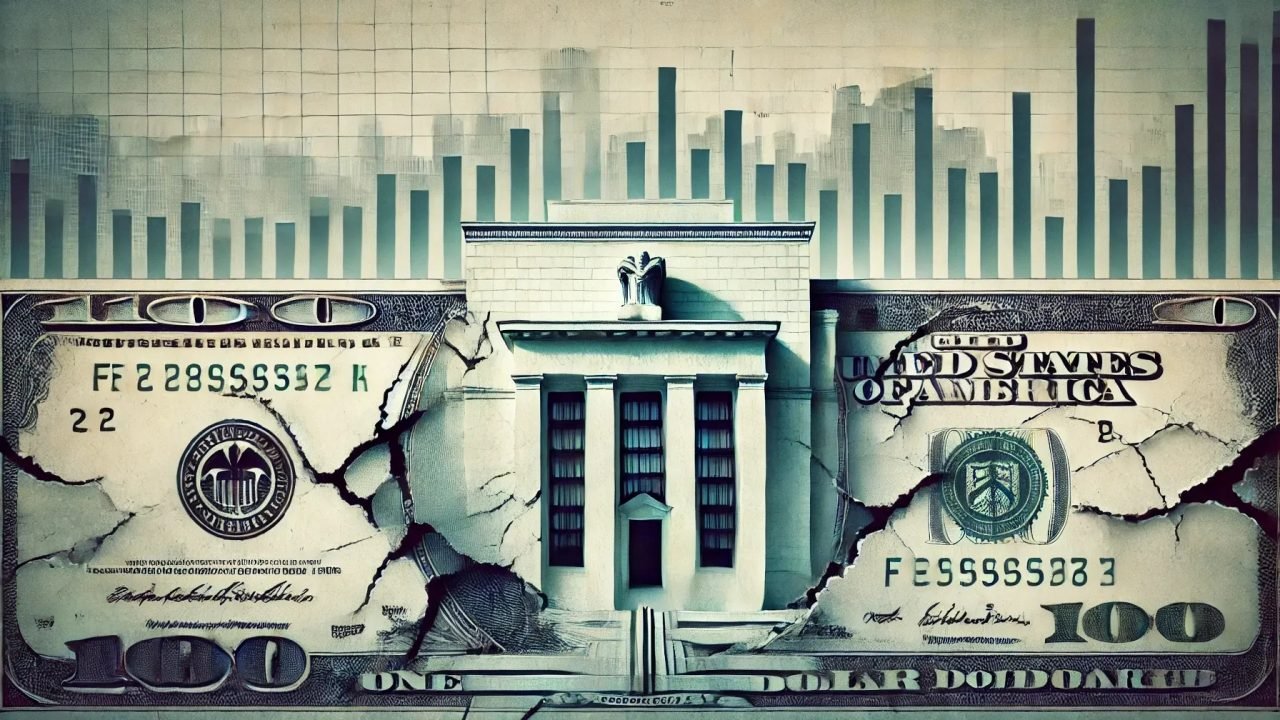
Quantitative easing (QE)—it sounds technical, almost boring, right? But this financial policy has quietly reshaped the economy and, more importantly, the dollar in ways that directly affect your wallet. While QE was initially hailed as an economic lifesaver during crises like the 2008 recession and the pandemic, its overuse has become a ticking time bomb for the financial system. Let’s dive into why this matters and how it impacts us all.
What Happened?
QE is essentially the Federal Reserve’s way of printing money—injecting liquidity into the economy by purchasing long-term securities like Treasury bonds. Since 2008, the Fed’s balance sheet has ballooned from $1 trillion to a staggering $9 trillion during the pandemic. This liquidity flood was meant to stabilize markets, but it’s also left us with:
- An inflated money supply, reducing the dollar’s value.
- Sky-high asset prices, making homes and stocks out of reach for many.
- Fragile trust in the dollar, as both individuals and nations begin exploring alternatives like cryptocurrencies.
The Consequences
- Inflation: The Stealth Tax Remember when a dollar could buy a decent cup of coffee? Those days are long gone. Inflation peaked at over 8% in recent years before cooling to 2.6%
- Asset Bubbles: A House of Cards Excess liquidity has driven real estate and stock prices through the roof. The result? A growing wealth gap, with the top 10% enjoying the gains while everyone else struggles to keep up.
- Erosion of Global Trust Nations like China and Saudi Arabia are reducing their reliance on the dollar in global trade, threatening its dominance
The Political Connection
QE didn’t emerge in isolation—it’s also a symptom of political dysfunction. Politicians have leaned heavily on the Fed’s policies to avoid tough fiscal decisions, pushing the national debt to over $33 trillion. Meanwhile, Wall Street has reaped the benefits, leaving Main Street to deal with the fallout. Think of it as a game of musical chairs—except the music is slowing, and most of us don’t have a seat.
Broader Implications
The U.S. dollar is losing its edge. As countries move away from dollar-based trade, a surplus of dollars could flood global markets, driving inflation even higher. This creates a vicious cycle of economic instability. It’s like patching a leaky boat—every fix seems to spring another hole.
Conclusion
QE was a necessary tool during crises, but its overuse has left us with a fragile economy. The dollar’s diminishing value, rising inequality, and eroding trust in traditional financial systems signal that the old approach is no longer sustainable.